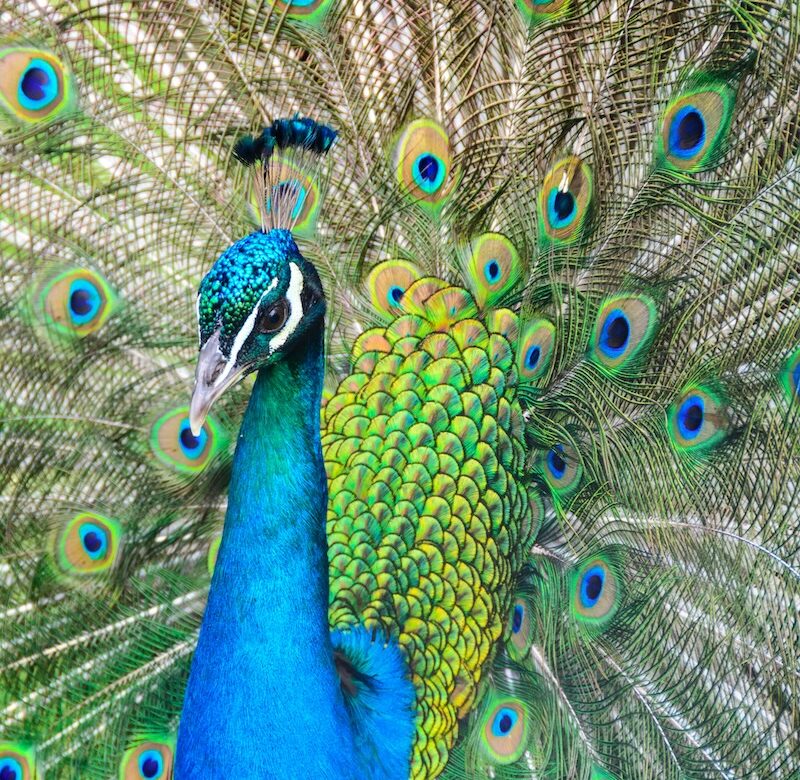
Hindu culture reveres many animals, including the colourful peacock, which India designated as its national bird in 1963. We are excited to be creating a large peacock structure as a centrepiece for this year’s Festival of Lights celebration in Aylesbury! So, let’s find out a little more about this impressive bird.
 Why did India select the peacock to represent the country?
The selection criteria were a bird which:
- Featured prominently in Indian culture
- Reflected the core values of the nation
- Was native and widespread
- Recognised easily
The peacock, Pavo cristatus, known as a Mayura in India, qualifies in every category. Many regard it as a sacred bird, symbolizing divine grace, ornate beauty, and protection.
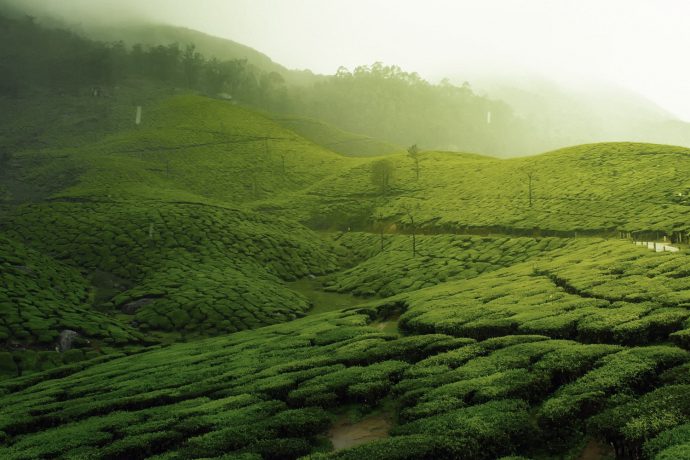
Peacocks remain widespread, in part thanks to the 1972 Indian Wildlife (Protection) Act. So, on a trip to rural areas of India, you are likely to hear the peacock’s distinctive cry. Then, you’ll see them wandering freely through the tea estates, open land, and rice paddies. They are usually on the hunt for ground vegetation and insects to eat.
Cultural Representations of Peacocks
In Hindu tradition, peacocks connect to several gods. Brahma, the God of Creation, often appears as a peacock, while Krishna often wears a peacock feather in his turban. Lakshmi, Goddess of Prosperity, and Saraswati, Goddess of Knowledge, also share a link with the birds. As such, peacocks symbolize wealth and wisdom.
In the Maria and Warli tribes, peacock feathers often feature in funeral rites. This is because of a belief that the birds can transcend time and help the deceased person’s soul escape the cycle of life, death, and rebirth.
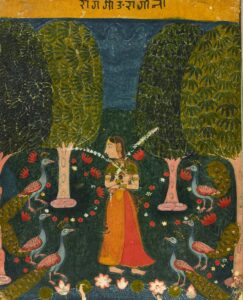 Peacocks in Indian Art
Long before India named the peacock its national bird, people revered it. As such, they feature in all kinds of Indian art.
Harappan Pottery – the Indus Valley civilisation produced practical, kiln-fired terracotta pots. Craftspeople typically decorated these with geometric and stylised images using red slip and black paint. They widely used a stylised peacock as a motif on this handcrafted pottery.
Carved wood reliefs – decorative wooden carvings have long been used to adorn places of worship in India. You can still find historic examples at Jaisalmer Fort in Rajasthan and Kolaramma Temple in Kolar. These have been dated back to the 11th and 12th centuries.
Paintings – If you visit Jaipur, visit the Peacock Gate at the City Palace. Its intricate design in rich and splendid colours creates an ornate entrance. Peacocks often feature in artworks, including the painted and gold leaf images of Tanjore Art.
Musical Instruments – the Mayuri Veena or Taus is a stringed instrument crafted in Northern India. It is embedded in Sikh traditions and was popular in 19th-century courts. The bird’s tail forms the instrument’s neck, and the strings stretch along it. The hollow body and head of the peacock form a resonator, which helps the sound to carry.
Printed & Embroidered Textiles – stylised peacocks are depicted in many traditional textile styles. These include Banarasi brocades, Chikankari white embroidery, and Kalamkari block prints.
See Our Peacock!
Now you know a little more about the prominence of peacocks in Indian life, culture, and art, why not come to see our colourful creation at this year’s Festival of Lights in Aylesbury? This is just one of the many delights at our family-friendly event! Book now and join us on Sunday 27 September.