Two things have sparked my curiosity about tea as a culinary ingredient — a wonderful afternoon at TWG in Malaysia, where every dish was crafted with tea, and a visit from nutritionist Jenny Tschiesche. While drinking tea is a delight, it also brings a subtle aroma and flavour to sweet and savoury dishes. So, in this article, I’d like to share some ways to cook with tea.
Why Use Tea as a Culinary Ingredient?
I spent a joyous May afternoon talking and tasting tea with nutritionist Jenny Tschiesche. As a renowned author of several Air Fryer and One Pot cookbooks, Jenny focuses on unprocessed healthy foods that taste great and fuel our bodies. In conversation, we touched on tea as a natural and nutrient-rich ingredient Her enthusiasm for the natural and nutrient rich qualities of tea got me wondering how those benefits could extend into cooking.

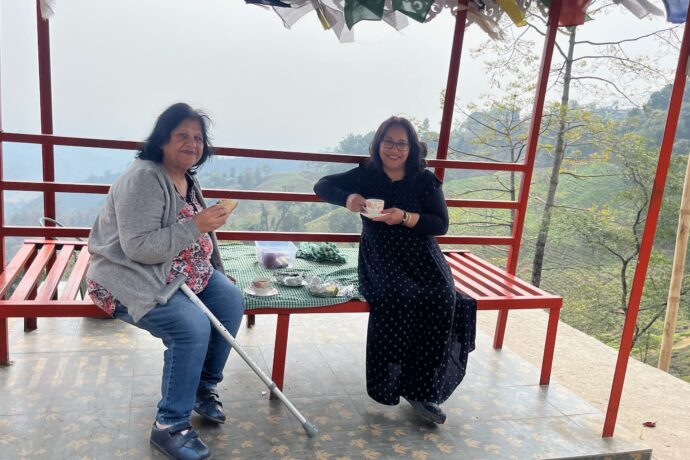
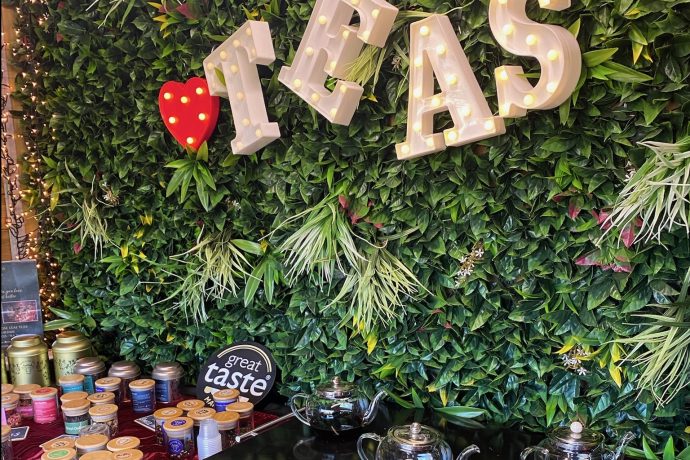
Enjoying a spectacular tea-infused afternoon tea at TWG in Malaysia — the trip that sparked it all!
Much as we all enjoy drinking tea, I’ve been curious about the uses of tea in cooking for a while. This year, I’ve been training as a Thermomix adviser, with the team in Aylesbury. This has had me exploring a wide range of recipes and has sparked an interest in the ingredients that add a depth of flavour to dishes. While my default is spices, tea has its place in elevating a meal.
The benefits of adding tea to a recipe extend beyond the taste buds. It also introduces antioxidants, which protect the body, boost immunity, and support digestion.
 3 Easy Ways to Use Tea as an Ingredient
Add Tea to Your Liquids
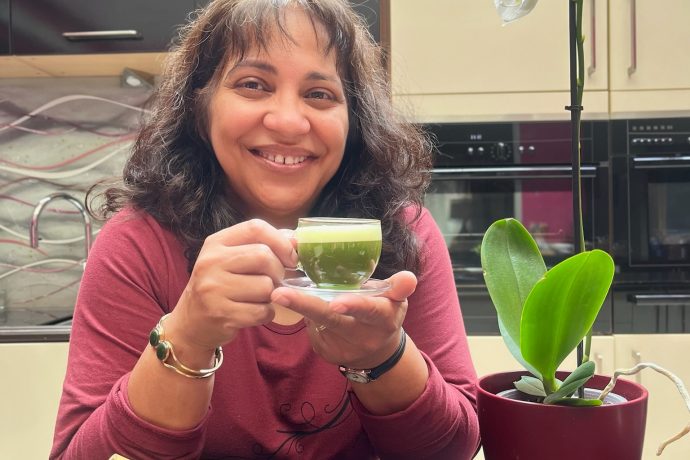
The easiest way to increase the health benefits of your meal is to replace water with green tea, such as Japanese Sencha, when cooking noodles, pasta, lentils, rice and other dried staples. This offers a subtle flavour, which works especially well with Thai and Japanese foods.
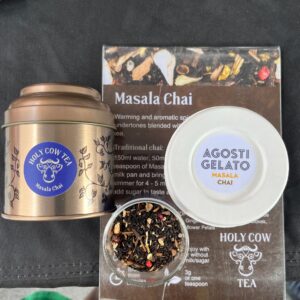
Another option is to infuse loose leaf tea in the water, milk or oil that you use in your favourite recipes. Simply strain the leaves before adding the liquid. As such, tea can be part of almost any dish, from soups and sauces to cakes and ice cream. Last year, I supplied Masala Chai to an artisan gelato maker for a seasonal special, and the result was absolutely delicious!
Soak, Marinade & Cure in Tea
In Bara Brith, fruit cakes, and traditional tea loaves, soaking dried fruit in a black breakfast tea overnight is essential. This creates plump, juicy and flavoursome fruit and a rich, delicious cake.
Talking of preparing ingredients in advance, tea leaves can be incorporated into marinades and rubs for tenderising and curing meat and fish. Using a smoky tea, such as Lapsang Suchong, creates a rich barbecue flavour.
To cure salmon, mix a cup of loose leaf Jasmine & Lemon tea with half a cup of both sea salt and granulated sugar. Rub this evenly over a fillet of salmon, wrap in cling film, place a weight on top and leave in the fridge for 3 days. Then, slice thinly to enjoy in bagels, salads and bento boxes.
I’ve also seen a recipe for a tea & honey drizzle cake. When you remove the sponge from the oven, you prick the surface with a cocktail stick. Then, spoon or brush a black tea sweetened with honey over the top, which soaks into the cake. I’ve yet to try it, but it sounds good!
Grind Tea to Use As a Dry Ingredient
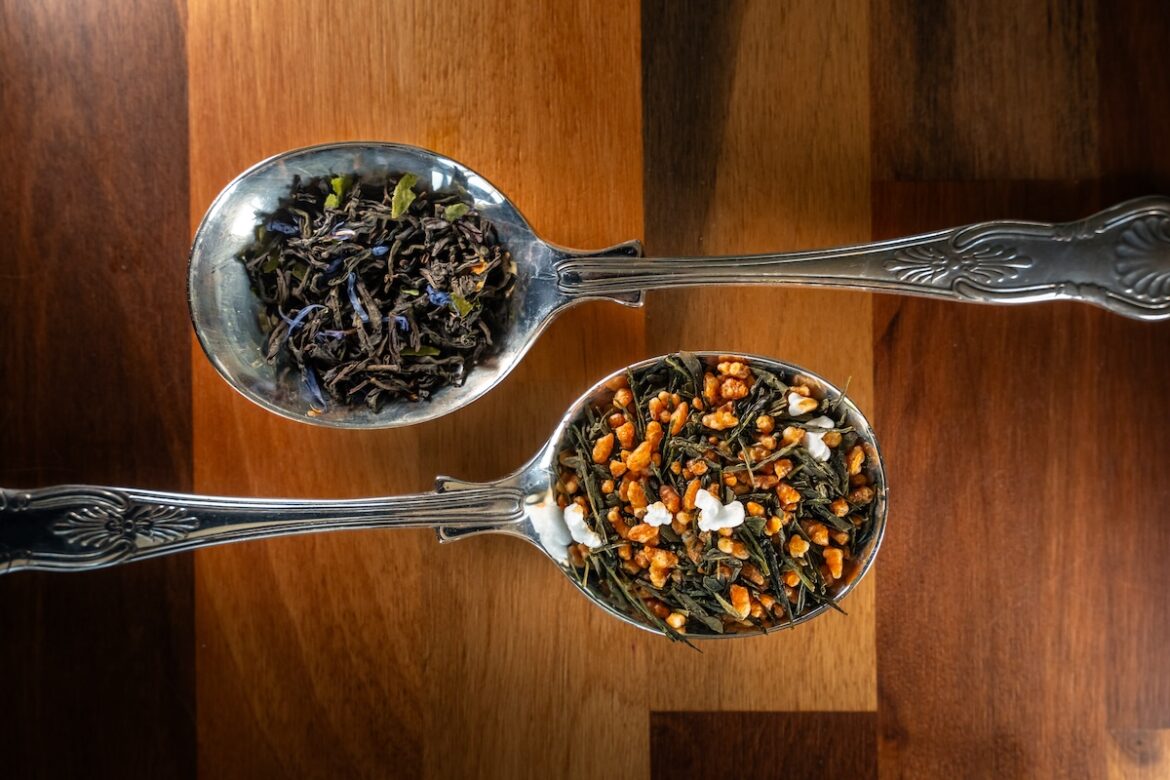
Matcha is a well-renowned ground tea, where the fine powder is added as a dry ingredient to biscuits and pancakes. You can use a blender or mortar & Pestle to grind other loose leaf tea into powder form. Simply sieve before adding to your recipe to remove any larger pieces. As an example, a level teaspoon of Chic Lady Grey adds an extra dimension to lemon or shortbread biscuits.
Experimenting with Tea as an Ingredient
I’m keen to try out more ways of introducing tea in my cooking. I think it’s going to be a case of experimenting with different flavour combinations, quantities, and infusion times to see what works. I’m sure there are some delicious options for my fruity tisanes, too!
If you’ve got a favourite tea recipe, please let me know!