Discover Single Origin Tea
In addition to our bespoke blends, Holy Cow Tea has an extensive range of premium single origin loose leaf tea. We call them straight teas because they come straight from the regional plantations in a pure form, ready for us to package. Like fine wine, coffee or chocolate, there is a reason why many people value single origin tea.
Single Origin Versus Tea Blends
Tea Blends
Blending different ingredients opens up the opportunity to develop complex flavour combinations. It’s a sensory process, where taste profiles and aromas are carefully balanced to create new and exciting teas. I love the process and how subtle changes to the recipe can be transformative.
The nation’s favourite, English Breakfast tea, is a blend. Our blend comprises Assam, Ceylon, and Kenyan teas, which produce a full-bodied, malty and caffeinated beverage. Ideal with milk and optional sugar, it is a great way to kickstart the day.
Straight Teas
However, there is a purity to single origin tea. The soil conditions, altitude and climate are unique to every plantation. Equally, each tea is picked and processed in different ways. As a result, every single origin tea has a defining flavour. The flavour profiles in an Indian Darjeeling or Chinese Yunnan simply can’t be replicated in other locations.
What’s more, the timing of picking leads to seasonal specialities. This is where you notice terms like ‘first flush’, which indicate the early spring harvest for the freshest flavour. For tea connoisseurs, these are the joy of single origin tea. It’s why they value the leaves, straight from the plantation, with no added ingredients.
8 of the World’s Most Renowned Single Origin Teas
The most renowned straight teas typically originate from long-established plantations.
Chinese Tea
In the case of Chinese Yunnan Dian Hong, it is believed that some of the ancient tea bushes date back several hundred years. Even the new bushes are 50 – 60 years old. However, records suggest that this region has been producing tea for over 1,000 years. That’s a lot of brews of this rich and sweet black tea!
Proving that even from the same region, tea growing, harvesting, and processing can result in completely different flavours, Shou Pu-erh is also grown in Yunnan. However, this black tea is aged and fermented for a mature, earthy flavour. Drinking this tea is reputed to aid digestion and gut health.
From aged tea leaves to the young buds. Baihao Yinzhen, also known as Silver Needle tea, is only harvested from newly emerging buds. These are left whole and rolled, so they slowly unfurl during infusion, to release the delicate flavour. If you added any other ingredient, it would overpower this refined white tea.
Indian Tea
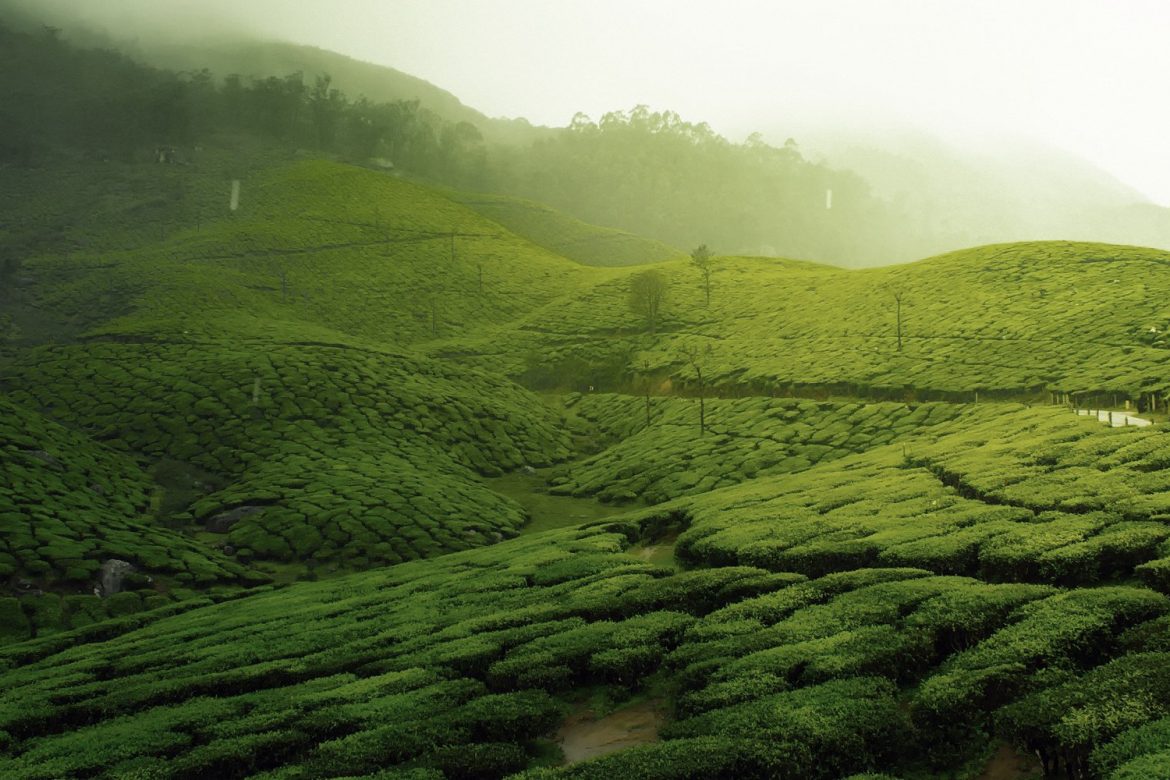
Darjeeling is described as the champagne of tea. It grows in the misty, high altitudes of the Himalayan mountains, where conditions are cool and moist, with a high UV exposure. These conditions produce tea with a unique fruity flavour that is described as muscatel. The tea is graded by first and second flushes, depending on when the leaves are harvested.
Another renowned Indian tea is Assam. Assam Tippy Golden Flowery Orange Pekoe (TGFOP) is the premium-grade from India’s Brahmaputra Valley. It’s a full-bodied, malty black tea that is delicious with milk. This straight tea can hold its own when blended with other ingredients, so it is widely used as the base tea for spiced masala chai.
Japanese Tea
Now to Japanese Gyokuro, known as the whisky of tea. To achieve this widely prized green tea, there’s a meticulous cultivation process, which includes shading the leaves to minimise natural oxidation. This results in a refreshing aroma, pale yellow infusion and umami, vegetal flavour.
Sencha is Japan’s most popular green tea, with a fresh, herbaceous and subtle salty flavour. The flat green leaves are steamed after harvesting to lock in antioxidants, colour and flavour. The leaves resemble the needles of a pine tree.
While most tea is created by infusing leaves in water, Matcha is a fine powdered form of quality green tea. Traditionally, this is whisked into water to form a vivid green, frothy drink with a grassy flavour. Its popularity as a rich antioxidant has peaked in recent years, and the powder is now added to a full range of other foods and drinks.
3 Other Notable Tea Growing Regions
Ceylon tea is grown in Sri Lanka and is noted for its refreshing citrus flavour.
Taiwan is known for its Oolong teas, grown in the high mountains, including Ali Shan.
Kenya is a major tea producer, and Purple tea is unique to this country.
Benefits of Buying Single Origin Tea
These are just a sample of the fantastic range of single origin teas. Each has a distinct flavour, which you can learn to appreciate in the same way as a fine wine. In doing so, you learn about the growing conditions and harvesting techniques which bring such variety to this beverage.
Another benefit of straight tea is traceability. When we know where the tea was grown, tea specialists, like us, can check the credentials and ensure ethical sourcing. This is important for the independent plantation owners, the workers and the long-term sustainability of the industry.
For me, there is the added interest in discovering the regional traditions and cultural rituals that tie into tea growing, harvesting and drinking. Tea remains part of many traditional ceremonies, and I never tire of learning more about these. I’m always keen to share my knowledge if you have any questions about the Holy Cow straight tea range.