Bali: Rice terraces, Waterfalls & Tea!
November and December were a whirlwind of Christmas markets and online tea sales. The whole family pulled out all the stops to entice buyers to taste Holy Cow Tea. It was fun and festive, yet also cold and exhausting, so we deserved a treat. A family trip to the beautiful, relaxing and warm island of Bali was just the ticket!
Bali Coffee & Tea

Asian Palm Civet
One of the facts I learnt about Bali was it’s where the world’s most expensive coffee is roasted. Luwak coffee has a distinctive flavour, yet the process to achieve it is unique to the island. Are you ready for this?

First collection Luwak coffee
It has been discovered that the Asian Palm Civet, a native, nocturnal mammal has a taste for coffee cherries. When they eat them, the coffee beans are fermented during digestion. Locals collect the fermented beans from the civets’ droppings and remove the outer layer. The beans are then cleaned and roasted. The process is slow, dependent on the diet of these mammals and labour-intensive. As a result, it is rare and expensive.
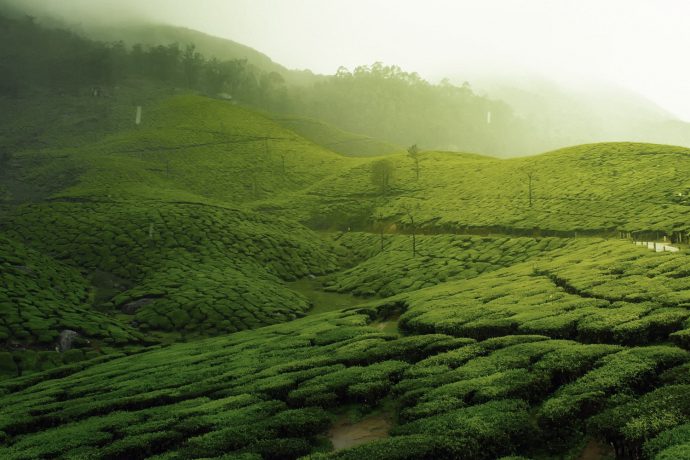
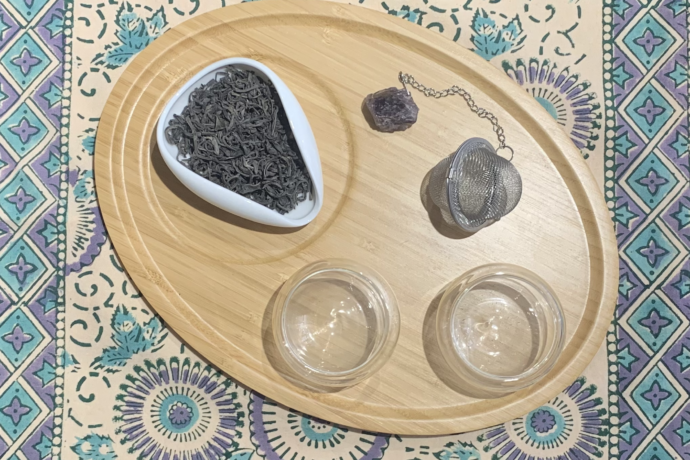
What I discovered when I was there is that Bali also has a tea garden. D’Wan Mountain Tea is in its infancy and was the island’s first experiment in tea growing. The owner has Chinese and Taiwanese ancestry and was interested to see if he could produce tea on his land in the Batukaru mountain range. The volcanic soil, high humidity and reliable rainfall offered the potential to support the plan.
The first tea plants were introduced in 2011 and the plot has been extended using traditional crafting methods. Conditions are favourable and the garden now produces white, green, black and oolong teas. Seeing this success, a second tea plantation was established on the island, producing Brew Me Tea. It’s a story of small growers, fresh opportunities and distinctive flavours.
Discovering Bali
Balinese rice, otherwise known as red (barak) rice or Padi Bali, is prized for its aroma and quality, taking longer to mature. This one grows slower compared to other varieties; harvested twice a year and only consumed domestically. Other varieties grown on the island include: white rice, which is mostly exported and harvested 3 times a year; and black rice, used in puddings.

Bali Rice Terrace
Of course, there is far more to Bali than tea, coffee and rice! This island is famed for stunning white beaches, impressive waterfalls, tropical scenery, wildlife encounters and lush rice terraces. Everywhere we visited was simply amazing.
As a Hindu island, I wasn’t surprised to learn that there is a rich heritage of festivals. It was a joy to see a performance of the Kecak dance, which is a feature of most celebrations. In addition, ancient temples dot the island, and each one seems to be built in the most idyllic location, with views across the ocean. Bali forms part of the Coral Triangle, a marine area known for its rich diversity.
I enjoyed seeing the skills involved in traditional crafts and I think the Wayang Kulit shadow puppets were the most impressive. For these, paper is cut into intricate designs to form people, animals and scenery. Set against a light box, behind fabric, these characters are brought to life by the puppeteer or Dalang. The storytelling is captivating, as each movement draws you in.
Back to Business
Having relished this family holiday and created more wonderful memories, it’s now back to business. Fully recharged, I’ll be back at the regular markets and our online shop is open for business. What’s more, I can offer 2025 dates for Tea Experiences, where you can learn the heritage and culture of a selection of our tea range.